
Overview of the field
Gaining practical credentials in material handling and heavy equipment is a common step for professionals seeking reliable employment in construction and industrial settings. The path often begins with an assessment of the specific machinery, safety practices and compliance requirements that govern worksites today. Learners should look Crane Institute Certification California for programs that emphasise hands on training, hazard recognition and certification that is recognised by employers. By prioritising structured courses and verified outcomes, candidates can build confidence while meeting industry expectations for safety and efficiency without unnecessary delay.
What the certification covers
Training programmes typically address safe operation, pre start checks, load handling limits and emergency procedures. In addition to practical skills, successful completion commonly includes theoretical understanding of risk assessment, signage, and proximity to other personnel. Prospective students should confirm that the curriculum aligns with current standards and that the assessment process accurately reflects real world tasks. The right programme offers clear milestones and supportive feedback along the way.
How to choose a provider
When evaluating options, consider accreditation, instructor qualifications and course length relative to your schedule. Look for providers with modern equipment, up to date safety materials and positive learner reviews. A concise admissions process, transparent pricing and accessible support services are signs of a programme that prioritises student success. Real world relevance and practical assessments should guide your decision more than flashy marketing.
Crane Institute Certification California
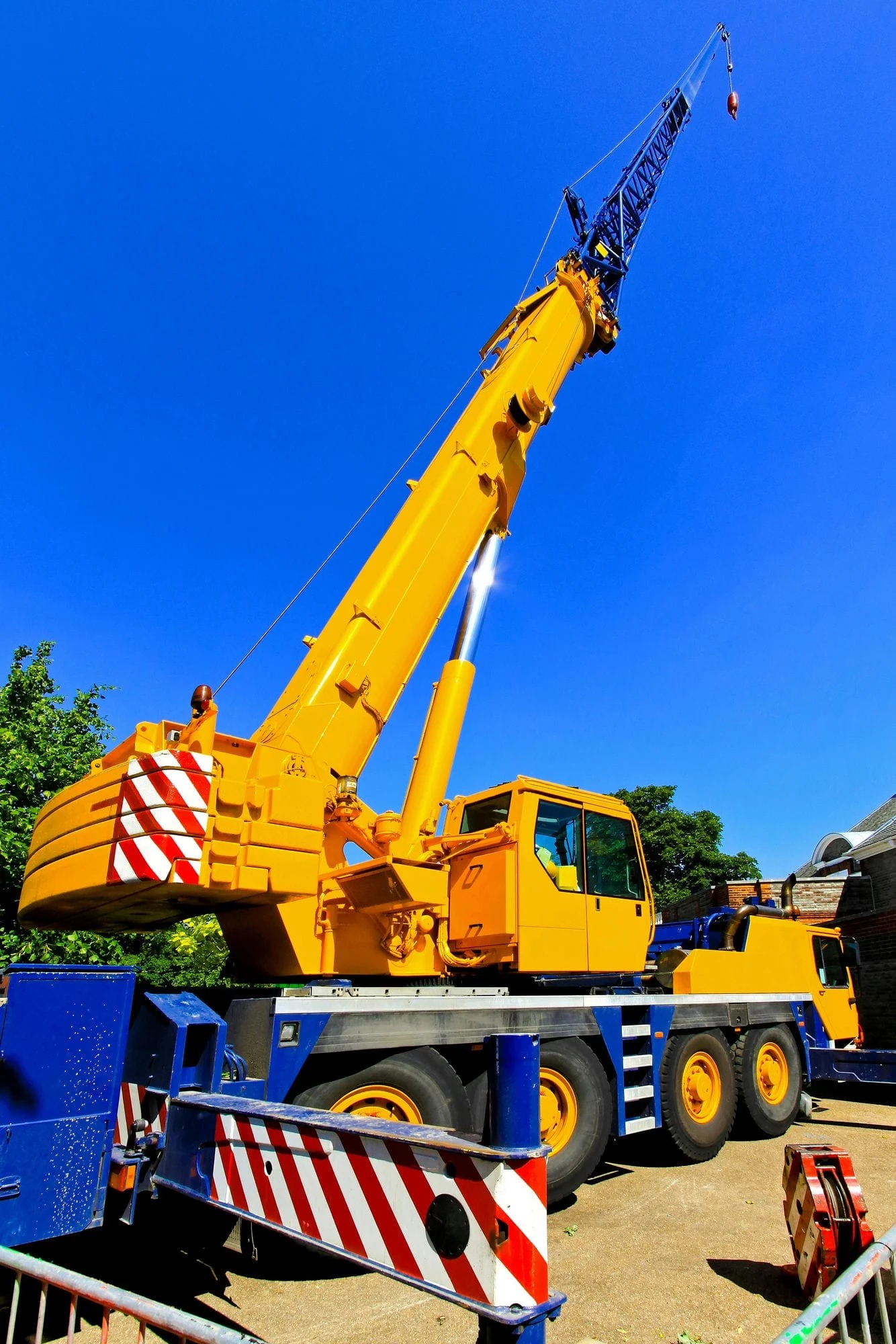
For many aspiring operators, selecting a certified pathway that is recognised locally can streamline hiring and career progression. It is important to verify that the chosen course directly relates to cranes and lifting operations, including manufacturer guidelines and regulatory expectations. After training, graduates should be prepared to demonstrate competence through practical tasks and a formal assessment that confirms their readiness for entry level jobs within the sector. The right certification not only improves safety but also expands employment options across sites that value proven capability.
Practical next steps
With the decision made, plan how to integrate study with daily responsibilities. Create a realistic study schedule, arrange access to a suitable workspace, and ensure you have time for practice sessions on real or simulated equipment. Seek opportunities for on site observation and supervised operation to reinforce learning. Keep track of progress, request feedback, and adjust the plan as needed to maintain steady momentum toward the certification goals. Visit A1 Crane Academy LLC for more information and guidance as you plan your next move.
Conclusion
Choosing a reputable training path is a practical step toward safer crane operations and reliable career advancement. Focus on programmes that offer clear outcomes, hands on practice and up to date safety content. By engaging with an established provider, you can build confidence and demonstrate competence to employers who value responsibility and precision in lifting tasks. A1 Crane Academy LLC


