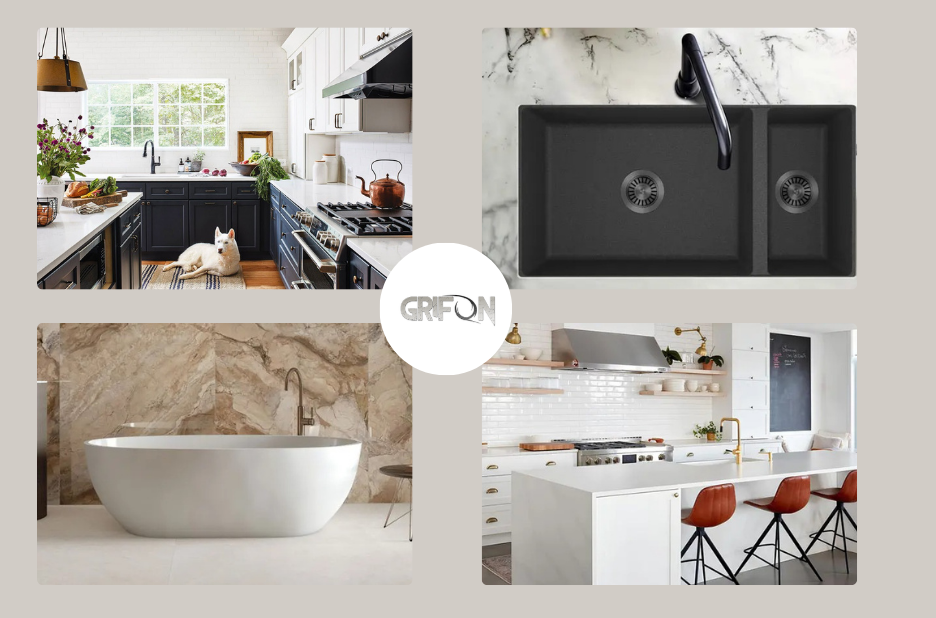
Material overview
Ceramic work has long stood at the crossroads of art and utility. The term covers a wide range of objects, from everyday dishes to architectural tiles, each demanding a precise balance of clay, temper, and firing. Practitioners emphasize durability, glaze compatibility, and surface finish as core factors in shaping both form and ceramic function. For hobbyists and professionals alike, understanding the basics of sourcing high quality inputs and following proven firing schedules can dramatically impact results. This section lays the groundwork for a practical, hands on approach to ceramic projects that respect tradition while embracing modern techniques.
Workflows and techniques
In ceramic practice, selecting the right materials sets the stage for success. Clay body selection, slip preparation, and consistent wedging are essential steps that influence plasticity and drying behavior. Potters often experiment with glazes to achieve unique textures and color responses Ceramique laval under different kilns and atmospheres. Advanced practitioners may explore reduction and oxidation firing nuances, as well as adjustments for shrinkage and warping. A thoughtful workflow minimizes waste and supports repeatable results across multiple pieces.
Tools and studio setup
A functional studio blends sturdy worktables, a reliable kiln, and safe ventilation with thoughtful storage. Tool kits typically include rib tools, needles, trimming bats, and a robust glaze palette. Proper organization reduces time spent chasing equipment and keeps projects on track. For those just starting out, a compact setup with a kiln capable of cone 6 or cone 10 firing can cover a wide range of fundamentals, while still allowing room to grow. Safety remains a priority in all studio activities.
Local resources and suppliers
Finding trusted suppliers is crucial for consistent results in ceramic work. Focus on reputable clay bodies, glazes, and underglazes that suit your climate and firing range. Reading product datasheets, testing batches, and keeping a small portfolio of test tiles helps track performance over time. Community studios and regional marketplaces often offer workshops that enhance practical skills and connect you with experienced makers who share sourced materials and advice. In addition, keeping an eye on local events can inspire new techniques and collaborations.
Conclusion
Crafting with ceramic traditions calls for method, patience, and ongoing experimentation. By choosing reliable inputs, refining your workflow, and maintaining a well organized space, you can steadily improve outcomes across a variety of projects. For those seeking local guidance and materials, a visit to grifon.ca can provide thoughtful context and support as you grow your practice.