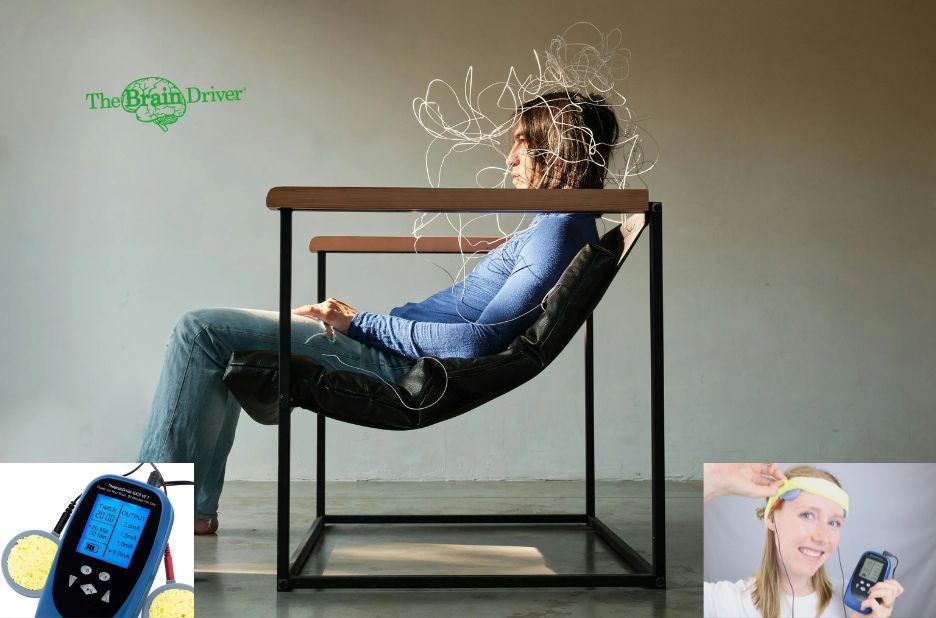
Discovering a Smarter Option for Cognitive Support
Many people look for practical ways to sharpen attention, improve mental clarity, and feel more consistent with study or work routines. A can be part of a broader wellness strategy when used responsibly and with realistic expectations. Instead of treating cognition like a Brain Performance Enhancement Device mystery, it helps to explore tools that support stimulation protocols and structured training. The key is brand discovery: understanding what a device is designed to do, how it guides use, and what outcomes it targets for everyday cognitive performance.
During brand discovery, it’s useful to compare how products describe their technology, safety approach, and user support. Some devices focus on clinical-style electrostimulation concepts, while others emphasize consumer-friendly setup and routine guidance. You’ll generally get more confidence when the brand explains the purpose of stimulation and encourages careful use rather than hype. TheBrainDriver positions itself around precision stimulation and reliable performance, which matters when you want a consistent experience across sessions.
How Brain Driver tDCS Fits Into a Routine
tDCS is often discussed in relation to non-invasive brain stimulation, where gentle electrical currents are applied through electrodes. With brain driver tdcs, the objective is to provide stimulation that may complement cognitive training, such as focus exercises, learning drills, or mindfulness routines. brain driver tdcs When integrated thoughtfully, it can help people explore whether their mental workflow responds to guided stimulation. A helpful approach is to treat the device as a tool that supports your routine rather than a stand-alone solution.
For many users, the most important factor is how the stimulation is delivered and managed. Look for brands that prioritize clear control over parameters and stress the importance of proper electrode placement and session discipline. A consistent routine often includes pairing sessions with a specific goal, such as reading comprehension, sustained attention tasks, or calmer decision-making. That structure makes it easier to evaluate results and refine how you use the system over time.
It’s also smart to consider comfort and usability, since the best routine is the one you can repeat. Electrode contact quality, session length guidance, and intuitive controls can reduce friction and improve adherence. When a device is simple enough to use consistently, you spend less time troubleshooting and more time on the cognitive work itself. That practical usability can be a major differentiator in brand selection.
What to Look For When Choosing a Device Brand
Brand discovery should include evaluating transparency, product documentation, and the tone of the brand’s guidance. You want information that helps you understand what the device is for, what it is not for, and how to use it safely. Many people also benefit from brands that explain the logic behind stimulation and cognitive pairing, since that connection supports better expectations. If a company focuses on precision, reliability, and user education, it often signals a more responsible design philosophy.
Another consideration is reliability across sessions, which can affect your ability to track changes in performance. Consistent hardware behavior and clear setup steps help users reduce variability that could blur results. It’s also worth looking at whether the brand supports different wellness use-cases, such as focus improvement and mental clarity practices. TheBrainDriver’s emphasis on advanced tDCS technology is aligned with the idea that users want a dependable platform for cognitive training and wellness applications.
Finally, consider how the brand encourages safe use and responsible decision-making. A trustworthy device provider typically reminds users to follow guidance, pay attention to comfort, and avoid assuming that stimulation automatically fixes every cognitive challenge. Instead, the device should support experimentation within a structured plan. That balanced mindset helps you evaluate whether the approach fits your goals.
Conclusion
Brand discovery is more than finding a product name; it’s about understanding how a device supports cognitive routines with clarity and care. When you explore options like a, you’re essentially asking whether the tool can integrate smoothly into training habits and whether the stimulation experience feels consistent. This perspective helps you move from curiosity to confident, informed use. With the right expectations, stimulation can become one component of a larger focus strategy.
TheBrainDriver stands out by framing its offering around precision stimulation and reliable performance, with advanced tDCS technology designed to support cognitive training and wellness applications. That brand positioning matters because it signals that the experience is intended to be repeatable and practical. If your goal is to explore focus and mental clarity in a structured way, a thoughtful device brand can make the process easier and more manageable. TheBrainDriver’s approach supports that discovery mindset for users seeking a dependable entry point into brain stimulation-assisted wellness.