What this approach offers
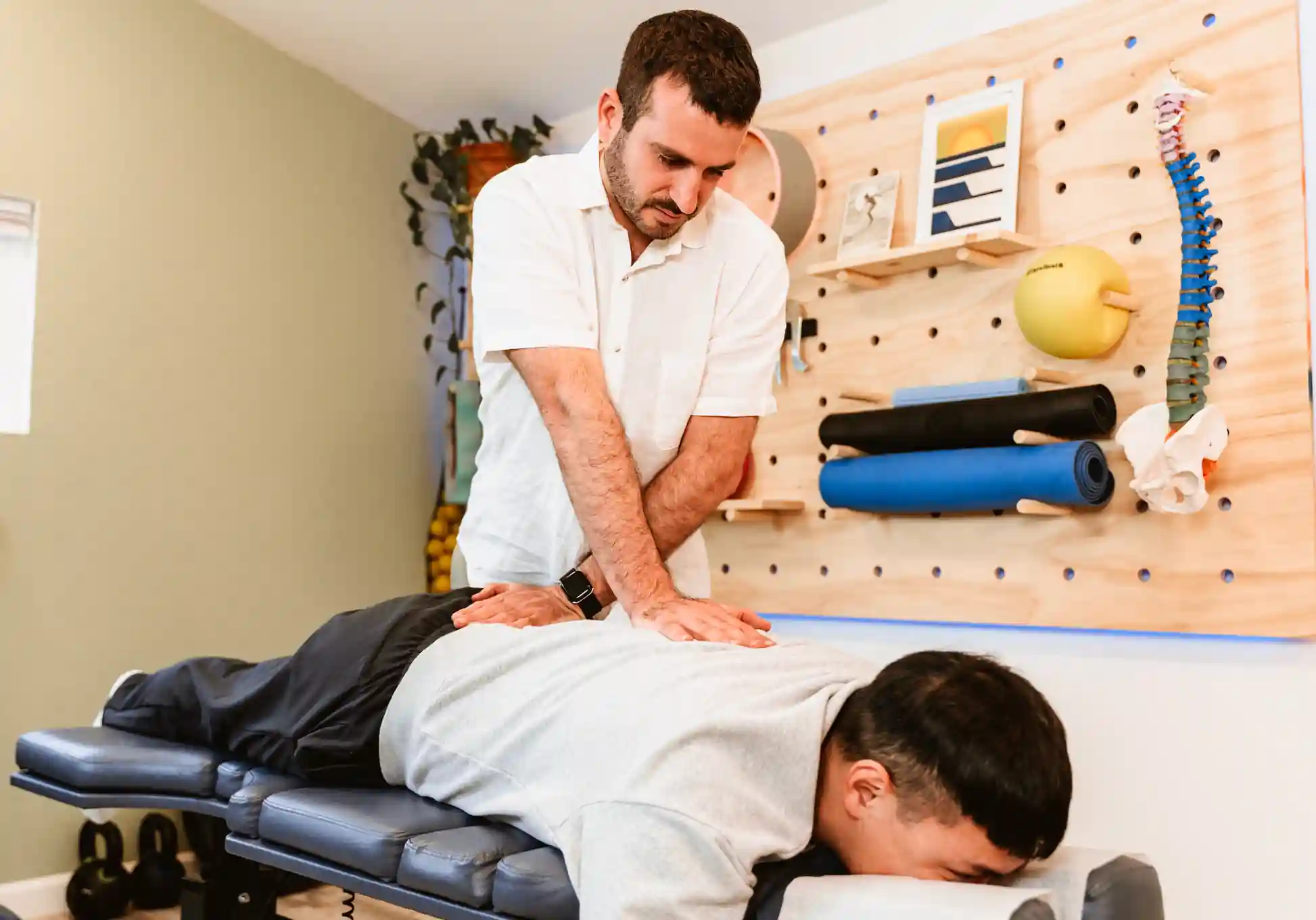
For individuals dealing with chronic tension or intermittent pain, a tailored plan can make a meaningful difference. Personalized assisted stretching therapy focuses on functional movements and gradual progression, allowing clients to explore range of motion without triggering new discomfort. The process typically begins with a thorough Personalized assisted stretching therapy assessment to understand movement patterns, endurance, and goals, followed by guided sessions that emphasise breathing, alignment, and mindful control. By combining manual assistance with patient participation, this approach supports tissue elasticity while respecting individual limits and daily responsibilities.
How it fits into existing care
Some people prefer non invasive options before considering surgery or pharmacological interventions. Personalized assisted stretching therapy can work alongside other modalities, complementing strengthening routines, flexibility work, and ergonomic adjustments at home or work. Consistency is key, and FAKTR therapy for muscle pain relief therapists often provide practical home programs that reinforce gains between sessions. Regular check ins help adapt the plan to progress, setbacks, and changing life circumstances, ensuring the strategy remains relevant and safe.
Core techniques used
Therapists may employ a range of gentle, controlled techniques designed to improve tissue length and nervous system tolerance. Techniques are selected to target the specific area and its functional demands. The goal is to restore natural movement patterns, reduce referred pain, and enhance body awareness. Clients learn to recognise early signs of overuse and develop strategies to manage daily activities with less strain, increasing confidence in movement quality overall.
Evidence and practical outcomes
While research in manual therapy varies in scope, many practitioners report reductions in muscle stiffness, improved range of motion, and decreased frequency of flare ups when sessions are aligned with patient goals. The approach emphasises measurable progress, with periodic reassessments and clear benchmarks. Realistic timelines and lifestyle considerations help sustain improvements beyond the clinic, supporting long term wellbeing and functional capacity.
Conclusion
For those seeking a balanced pathway that respects body limits while promoting sustainable gains, a personalised plan founded on activity specific stretching and manual cues can be highly beneficial. It is often most effective when used as part of an integrated care approach, with attention to daily habits and ergonomics. Visit The ChiropractOrr for more insights and practical guidance on staying active and pain free.