Overview of modern care
Accessing medical care from home has transformed chronic condition management. Telehealth Functional Medicine offers a patient centred approach that blends traditional medical testing with personalised lifestyle strategies. In this model, clinicians review comprehensive health data, guide dietary adjustments, and coordinate care across specialists. Telehealth Functional Medicine Patients benefit from flexible scheduling, continuity of care, and the privacy of remote consultations. This pathway is not a quick fix; it requires engagement, ongoing monitoring, and a willingness to adapt plans as life circumstances evolve.
Integrated health assessments
Root cause analysis is a core principle that informs treatment plans. Through structured history taking, symptom tracking, and biomarker reviews, clinicians identify imbalances and triggers. The aim is to restore homeostasis rather than simply treating symptoms. Holistic PTSD Treatment Center Patients may receive nutrition plans, stress management techniques, and exercise guidance designed to fit their daily routines. Regular follow ups help ensure recommendations remain practical and effective in real life settings.
Holistic PTSD Treatment Center options
For individuals navigating trauma related challenges, a Holistic PTSD Treatment Center approach can complement medical care. This entails evidence based therapies alongside mind body practices such as mindfulness, gentle movement, and coping skills training. The emphasis is safety, stability, and resilience, with treatment tailored to personal history and current stressors. When integrated with primary care, patients often experience improved sleep, mood regulation, and functional recovery.
Care coordination and empowerment
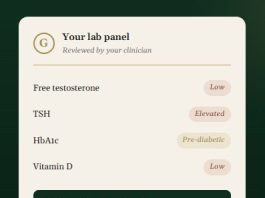
One major advantage of telehealth medicine is the continuity of care across providers. A dedicated care team can share updates, monitor lab results, and adjust plans without requiring frequent clinic visits. Patients are encouraged to play an active role, documenting symptoms, side effects, and lifestyle changes. This collaborative model helps prevent fragmentation and supports sustainable progress toward health goals, even during busy periods.
Practical steps to start
Begin by requesting a comprehensive intake appointment with a clinician experienced in Telehealth Functional Medicine. Prepare a current medication list, recent lab results, and notes on diet, sleep, and stress. During visits, share goals, concerns, and any barriers to implementing recommendations. If a trauma history is present, discuss preferred therapies and any safety considerations. A clear plan with measurable milestones can guide ongoing work and encourage accountability.
Conclusion
Choosing telehealth driven, holistic care supports long term wellbeing by aligning medical insight with daily living. With commitment and coordination, patients can move toward balanced energy, steadier moods, and stronger resilience. Verde Bloom