Student storage basics
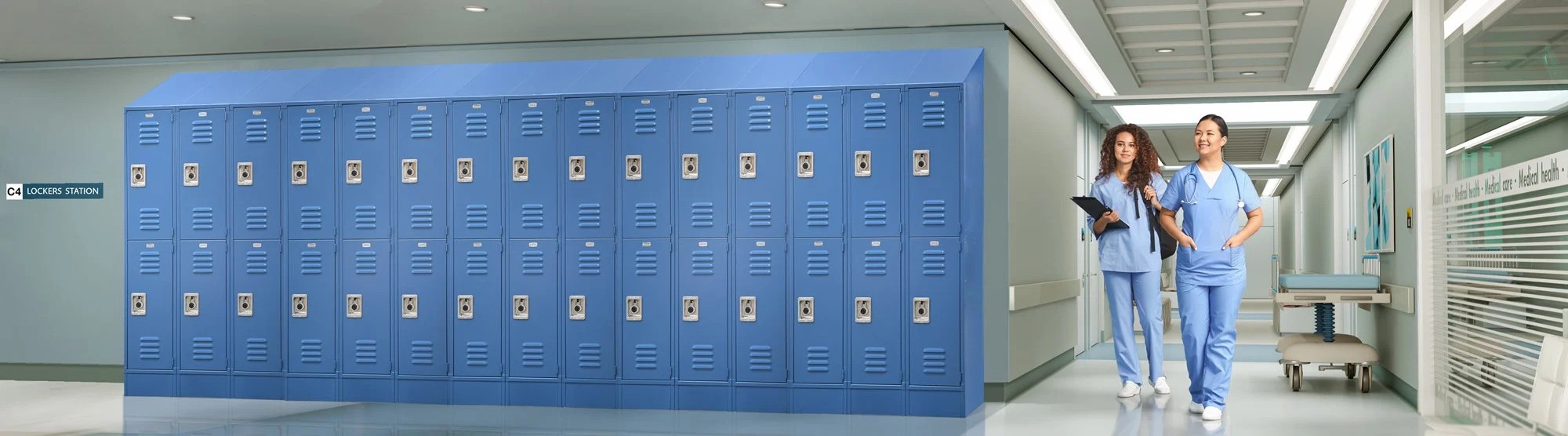
In middle schools, sturdy storage solutions play a crucial role in keeping corridors tidy and classrooms efficient. When selecting units, consider durability, security, and easy access for students who move between classes. The right lockers for middle school should offer a balanced combination of ventilation, space, and lockers for middle school lockability, allowing pupils to secure textbooks, notebooks, and personal items without hindrance. Supervisors value designs that resist graffiti and wear, while maintenance teams look for simple repairs and modular options that can adapt to changing student numbers throughout the year.
Teacher and staff storage needs
Faculty often require reliable storage that blends with existing decor and offers quick access during busy days. Lockers for Employees should emphasize robust construction and efficient layout within staff rooms or office corridors. Features such as sloped tops for surface stability, secure locking Lockers for Employees mechanisms, and compact footprints can maximise available space while preserving a calm, organised environment for planning periods and after‑school duties alike. Budget‑aware decisions also benefit from scalable systems that can expand as classrooms and workloads grow.
Choosing the right configuration
When planning a school’s locker setup, evaluate the total footprint, the typical student cohort, and any accessibility needs. Vertical banks maximise corridor utilisation, while standalone units offer flexibility for relocations or room reconfigurations. Consider lockers that resist tampering yet remain user friendly, with clear numbering and accessible keys or combinations. Storage should be intuitive for students and staff, with enough space for bags, PE gear, and art projects. A thoughtful configuration supports smooth transitions between lessons and activities across the day.
Materials, security and maintenance
Durable materials such as steel with powder coating provide long‑lasting performance in busy school environments. Anti‑graffiti finishes protect surfaces in high‑traffic areas, while corrosion‑resistant hardware reduces maintenance needs near gyms or water fountains. Regular cleaning and inspection routines help prevent rust, loose hinges, or stuck latches. Providing each user with a predictable, secure compartment reduces item misplacement and clashes over shared spaces, contributing to a safer, more orderly campus atmosphere.
Implementation tips and budget tips
Start with a phased roll‑out to gauge utilisation and user feedback, then adjust locker counts and layouts accordingly. Compare suppliers on warranty terms, delivery schedules, and the ease of installing modular units. Training for students on locker etiquette and responsible use can cut damage and loss. For facilities teams, budgeting for future upgrades involves selecting compatible modules and keeping spare parts in stock. Keeping a clear plan helps schools grow their storage capacity without compromising access or safety.
Conclusion
Effective storage supports both learning and administration, ensuring students can focus on their studies and staff can move efficiently between spaces. A balanced approach combines sturdy construction with practical layouts, mindful of daily rhythms and future needs. Visit Locker Emporium for more ideas and guidance on similar solutions for educational settings.