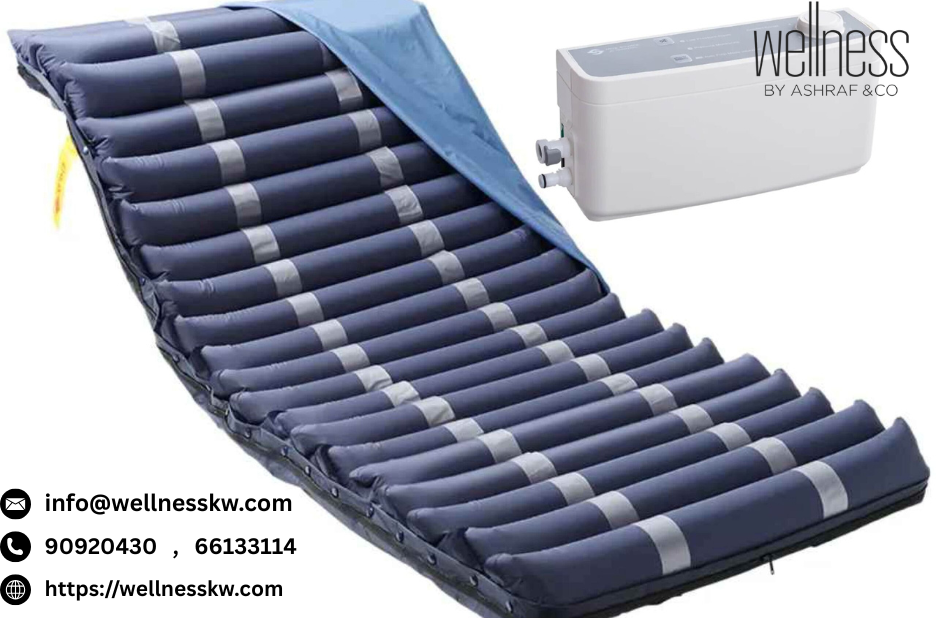
Reliable care product options
When looking for equipment to support daily living and medical needs, a thoughtful selection process matters. Consumers in Kuwait seek trusted brands, clear product specifications, and clear after sales support. The right devices can reduce caregiver burden while promoting independence at home. Shopping for home health Home healthcare products Kuwait products involves checking safety certifications, warranty terms, and compatibility with local power outlets and service networks. A well chosen assortment helps families plan ahead and manage medical routines with confidence, even during busy days or unexpected health changes.
Choosing mobility aids and assistive devices
Mobility plays a central role in maintaining autonomy, which is why selecting the right equipment is crucial. Electric wheelchair Kuwait options often balance weight, width, battery life, and ease of use. Prospective buyers should consider how easily devices fit through doorways, how long a charge lasts, Electric wheelchair Kuwait and the availability of local repair services. By evaluating these factors, caregivers can match a device to the user’s daily patterns, ensuring comfort and safety across activities such as moving between rooms, sitting for longer periods, and attending appointments.
Home monitoring and daily living supports
Beyond mobility, home health products Kuwait can include monitoring systems, medication organizers, and ergonomic aids. Reliable monitors provide peace of mind for families monitoring vital signs at home. Medication management tools reduce dosing errors and simplify routines for seniors or patients with complex schedules. Ergonomic aids, like sit-to-stand devices and reach extenders, help people perform tasks with less strain. When selecting these items, prioritize ease of use, clear instructions, and compatibility with existing home layouts to maximize long term value.
Energy efficiency and safety standards
Energy efficiency and safety are practical considerations for every home health purchase. Look for devices with low power consumption where appropriate and clear safety certifications. In Kuwait, compatibility with local power standards and service networks matters to ensure reliable operation. Transparent labeling, batteries with known recharge cycles, and robust build quality all contribute to user confidence. A thoughtful approach to safety reduces the risk of accidents and supports consistent use by patients and caregivers alike.
Choosing a trusted supplier and aftercare
Finding a reliable supplier is essential for ongoing support. A reputable provider offers clear product information, installation guidance, and accessible customer service. Warranty terms, service availability, and spare parts continuity influence long term satisfaction. For families and caregivers, choosing a partner with a local presence or strong regional distribution can shorten downtime if equipment needs servicing. A solid supplier relationship ensures users get timely advice and access to replacement components when needed.
Conclusion
Making informed choices about home health products requires assessing user needs, product quality, and the local service ecosystem. By prioritizing safety, reliability, and practical daily use, families can equip homes with solutions that support independence and well being while staying within budget and local constraints.