Why choose portable oxygen solutions
For many people, mobility and independence hinge on reliable oxygen therapy. A portable oxygen concentrator offers the freedom to travel, attend appointments, and enjoy everyday activities without being tethered to a bulky device. When buying used, it is essential to verify proper function, battery health, and make Buy used portable oxygen concentrator sure the unit complies with safety standards. This guide helps you assess options and avoid common pitfalls while keeping costs sensible. By focusing on reliability and service, you can maintain steady access to oxygen therapy without compromising safety or comfort.
Assessing used units for reliability
When evaluating a used oxygen concentrator, start with key indicators of performance: consistent oxygen output, stable pressure, and a healthy filter system. Inspect the exterior for wear and tear, and request service records or a recent maintenance check. Check the battery’s health if the unit is Used Oxygo Next battery powered; a quick test can reveal charge duration and charging efficiency. A reputable seller should offer basic warranty or return privileges. Overall, choose models with proven track records and easy access to replacement parts to minimise downtime.
Exploring models including Used Oxygo Next
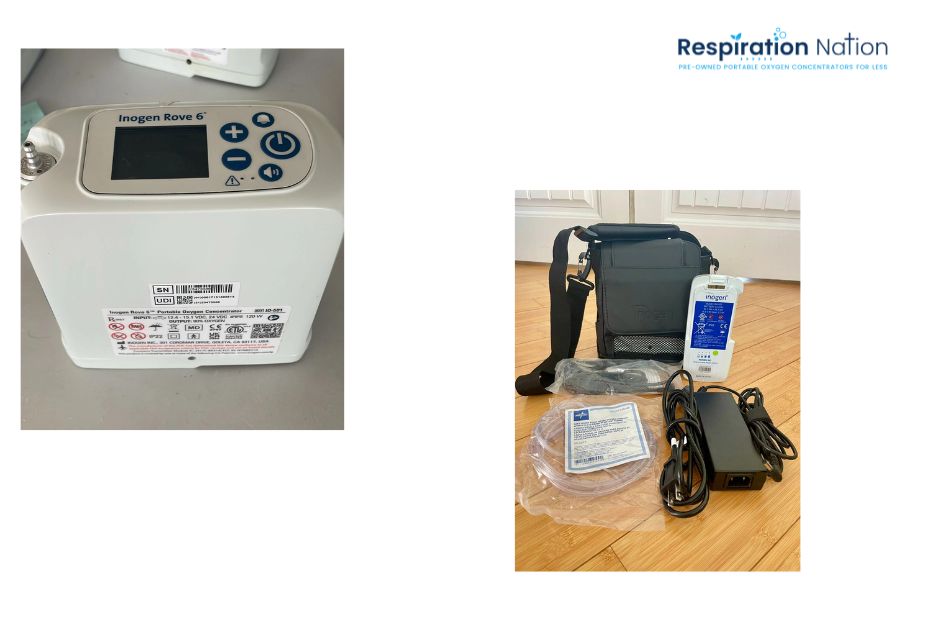
Used Oxygo Next is a popular option for users seeking a compact, travel friendly concentrator. It balances portability with dependable oxygen delivery, a key consideration for daily use. When considering this model, review its battery life, ease of use, and screen indicators that alert you to maintenance needs. Compare weight, noise level, and power options against other portable options to ensure you are not compromising comfort for convenience. A hands‑on demo or trial run can be invaluable before purchase.
Buying tips and safety checks
Buy used portable oxygen concentrator with care by asking about the unit’s usage history, maintenance schedule, and any repairs. Verify outlet compatibility, safety certifications, and that the cannula and humidifier systems are clean or replaced as needed. Confirm return policies and support — many sellers offer post‑sale assistance or tele‑support to troubleshoot. Avoid units with obvious signs of damage or overheating and insist on a thorough operational test in person or via video tour.
Practical considerations for cost and service
Budgeting for a used device requires forecasting ongoing costs such as filters, batteries, and potential servicing. Ask the seller about available upgrade options, warranty length, and whether service channels are accessible in your area. If you travel frequently, confirm the unit’s travel compliance and spare parts availability. With careful selection, a well‑maintained used portable oxygen concentrator can deliver dependable therapy without the premium price of a new model.
Conclusion
For anyone weighing a purchase, balanced research and clear expectations are essential. A used unit should offer stable oxygen delivery, reliable power, and support options that suit your lifestyle. If you appreciate accessing trusted resources and informed advice, consider connecting with more experienced buyers or clinicians for guidance. Respiration Nation