Understanding the condition
Fungal nails surgery is a treatment option considered when fungal infections persist despite topical or oral medications. The condition can cause thickened, discoloured, or brittle nails that may become painful or deformative over time. Before any procedure, a clinician usually confirms the diagnosis with a clinical Fungal nails surgery exam and sometimes a nail sample. This step helps rule out other nail disorders and ensures that surgical intervention is appropriate. Patients should discuss goals, potential risks, and recovery expectations with their surgeon to make an informed choice.
Assessing suitability for surgery
Not every case requires surgical intervention. Fungal nail surgery is typically considered when infection is resistant, recurs after treatment, or causes significant nail distortion. The surgeon assesses nail health, overall health, and any conditions that could affect healing, such as diabetes Fungal nail surgery or immune issues. Imaging or microscopic analysis may be used to plan the approach. Clear consent is essential, and patients should understand the potential need for subsequent treatments, including ongoing antifungal therapy after the procedure.
What happens during the procedure
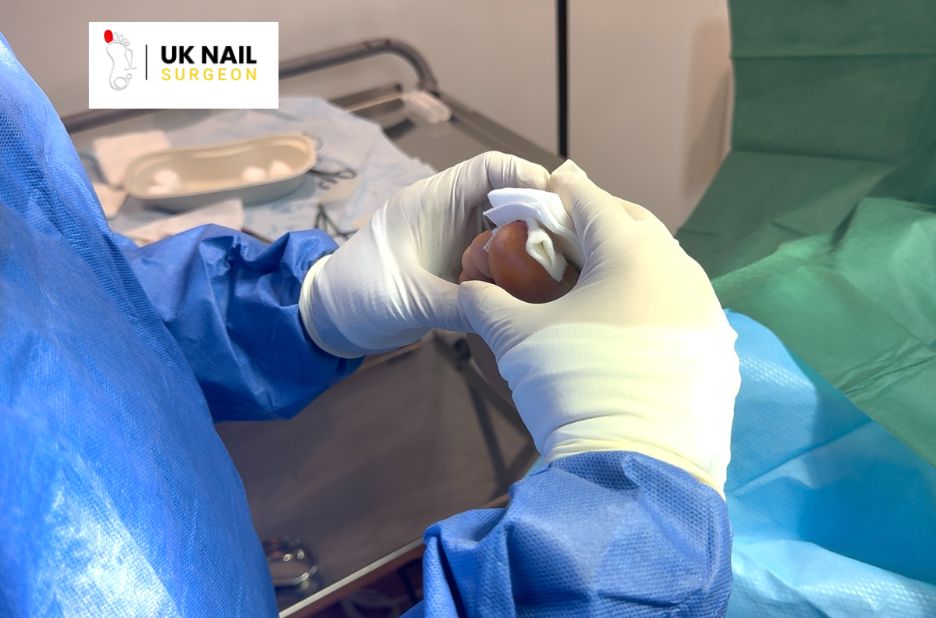
During fungal nails surgery, the surgeon may remove part or all of the affected nail to allow new healthy growth. Local anaesthetic keeps you comfortable, and the procedure is usually performed as a minor outpatient treatment. Depending on the technique, the nail bed or the surrounding tissue may be treated to reduce the risk of recurrence. The exact steps vary by case, but modern techniques aim to minimise discomfort and speed up recovery while preserving as much of the nail as possible.
Recovery and aftercare
Recovery timelines differ, but patients can expect some pain, swelling, and tenderness for a few days. Keeping the toe clean and dry, applying prescribed dressings, and following activity restrictions help protect the surgical site. Signs of infection, persistent pain, or unexpected changes should prompt a timely check with the clinician. If the infection has been severe, a course of antifungal tablets or topical agents may be recommended alongside lifestyle adjustments to improve outcomes.
Long-term outcomes and alternatives
Most people experience healthier nail growth after fungal nails surgery, though complete resolution can take months. Regular follow-up appointments monitor healing and detect any recurrence early. Some patients may explore non-surgical options such as topical antifungals, debridement, or laser therapy as alternatives or adjuncts. The choice depends on infection severity, nail anatomy, and patient preferences. Your health professional will tailor a plan to protect foot health and prevent future problems.
Conclusion
Ultimately, deciding on Fungal nails surgery involves weighing benefits against risks and considering lifestyle factors that contribute to recurrence. Discuss expectations openly with your clinician to align goals and optimise recovery. This balanced approach helps many patients regain nail appearance and comfort while minimising downtime. UK Nail Surgeon