Understanding the problem
Ingrown toenails removal is often sought when the nail edge grows into the surrounding skin, causing pain, redness, and possible infection. People frequently choose home remedies for mild cases, but it is important to distinguish between manageable discomfort and situations that require professional care. A clear Ingrown toenails removal understanding of the signs, risks, and basic care steps can help patients decide when to seek treatment and how to prevent future issues. While home care can provide relief, persistent symptoms or worsening conditions should prompt medical advice.
Choosing safe home care steps
For minor discomfort, gentle foot soaks in warm water with Epsom salt, keeping the area clean, and avoiding tight footwear can reduce irritation. It is important to avoid cutting the nail yourself or attempting aggressive removal, which Ingrown toenail removal can worsen injury. Over‑the‑counter pain relief, proper nail trimming techniques, and protective coverings can help manage symptoms while the nail grows out. If redness or pus develops, seek professional assessment promptly.
When to seek professional help
Seeking appointment for Ingrown toenail removal should be considered if there is significant pain, swelling, spreading redness, fever, or a history of diabetes or poor circulation. A clinician can evaluate whether the issue is simply nail trimming, a partial nail avulsion, or an infection requiring antibiotics. Early intervention can prevent complications such as abscesses. A medical professional can also provide guidance on footwear, hygiene, and post‑procedure care to support healing.
What to expect during treatment
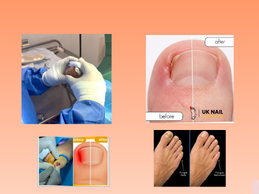
In a clinical setting, the procedure for Ingrown toenails removal typically involves local anaesthetic and precise nail edge removal or partial nail removal, followed by a dressing plan. Post‑treatment care focuses on keeping the toe clean, dry, and protected. Most patients experience relief from pain shortly after the procedure, with healing occurring over days to weeks. Clinics often offer advice on wound care and when to resume normal activities or sports.
Prevention and long‑term care
Preventing recurrence involves proper nail trimming straight across, avoiding curved or pointed cuts, and wearing shoes with sufficient toe room. Regular foot hygiene, avoiding trauma, and managing conditions such as diabetes are crucial. If you have recurrent issues, a clinician can discuss options such as permanent nail procedures or strategies to minimise toe trauma. Consistent foot care reduces the chance of future irritation and helps maintain healthy nails.
Conclusion
When dealing with persistent toe pain, professional evaluation is advisable to determine the most appropriate course of action for Ingrown toenails removal and to ensure proper healing. For some patients, guided treatment and careful aftercare offer the best path to recovery. UK Nail Surgeon