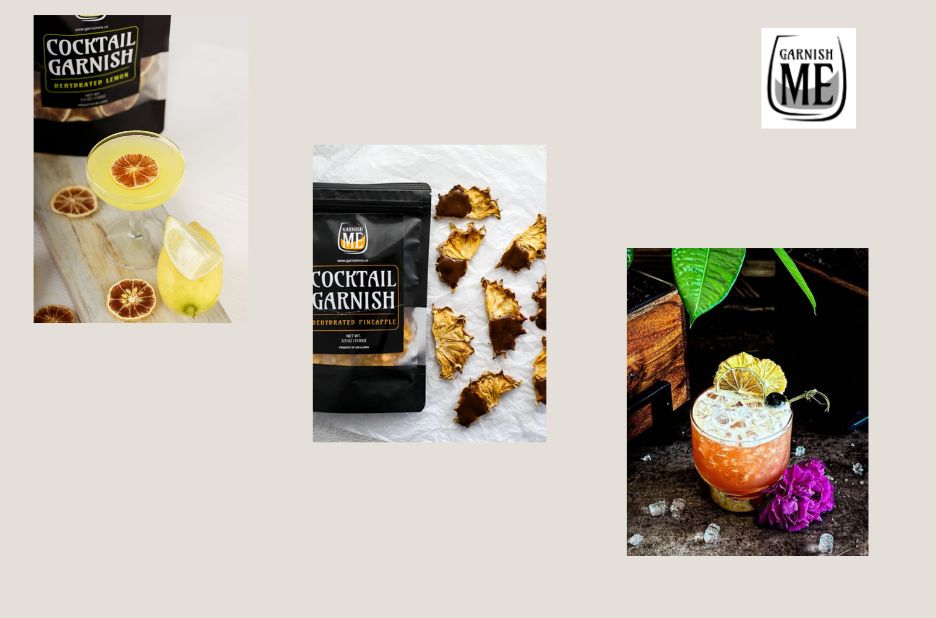
Industry overview
The sector for fruit processing continues to grow as demand for shelf stable snacks increases. Producers focus on consistency, safety, and traceability from orchard to finished product. Businesses in this field invest in modern drying techniques, careful selection of fruit varieties and robust quality management systems. When evaluating dried fruit manufacturers in sri lanka potential suppliers, consider certifications, capacity, and the ability to customise flavours or packaging to meet market needs. A well run operation balances efficiency with product integrity, ensuring that dried fruit retains natural sweetness while achieving the desired texture and shelf life.
Production capabilities
Manufacturers of dried fruit typically specialise in a range of processing steps including washing, slicing, drying, and packing. Some facilities offer further value add such as roasted nuts, spice blends, or coated fruit pieces. Key considerations dried fruit manufacturers include throughput capacity, energy efficiency, waste minimisation, and adherence to hygiene standards. Access to reliable logistics also matters since timely delivery affects product quality and customer satisfaction over long distribution channels.
Quality and safety standards
Quality assurance is a central focus for dried fruit manufacturers in sri lanka and beyond. Modern plants employ HACCP based controls, allergen management, and rigorous testing for moisture content, microbial safety, and pesticide residues. Transparent supplier audits and traceability records help buyers verify origin and handling practices. Consistent product performance is achieved through standardised procedures, staff training, and continuous improvement initiatives across the supply chain.
Market suitability and partnerships
Interesting partnerships arise when growers collaborate with processors to optimise varieties, harvest timing, and post harvest handling. Dried fruit manufacturers can offer flexible packaging sizes, clear allergen declarations, and varied spice or sugar profiles to suit regional tastes. Building strong relationships with retailers and food service providers supports stable demand, seasonal planning, and rapid response to market trends. Durable collaborations often lead to better pricing, investment in equipment upgrades, and shared sustainability goals.
Conclusion
Choosing the right supplier involves weighing capability, reliability, and alignment with your product vision. Look for consistent product quality, clear certifications, and a transparent communication style. Long term partnerships can reduce risk and simplify compliance across the supply chain. Garnish ME