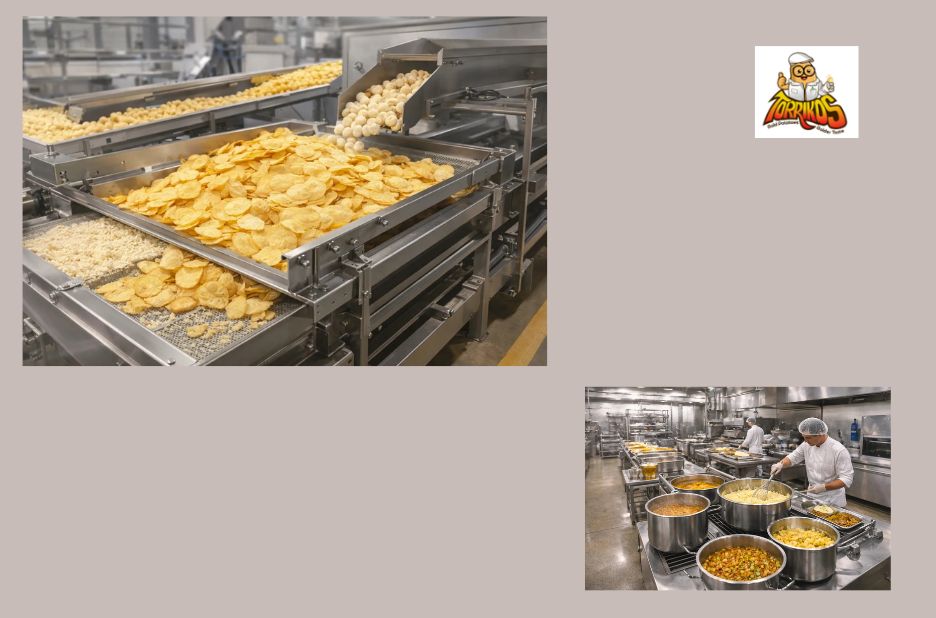
Overview of potato flake products
Potato flakes play a pivotal role in modern food manufacturing, offering consistent texture and reliable rehydration properties. The extrusion process benefits from ingredient stability, enabling uniform pellets and controlled expansion in the final product. When selecting a base ingredient, producers look for powders with a clean Extrusion Grade Potato Flakes flavour profile, low moisture content, and ample shelf life. The term Extrusion Grade Potato Flakes is used to denote flakes suited for high-temperature, high-shear environments. Understanding these characteristics helps manufacturers balance cost, performance, and product quality across diverse applications.
Quality indicators for grade A potato flakes
Quality criteria for grade A potato flakes focus on particle size distribution, colour uniformity, and absence of off-notes. The best samples exhibit minimal clumping, high rehydration efficiency, and consistent powder flow during mixing. Traceability and batch documentation are essential for compliance grade A potato flakes with industry standards. Suppliers often provide technical data sheets with moisture content targets and protein levels. Meeting these benchmarks supports reliable extrusion performance and predictable final texture in snack items, cereals, or instant dishes.
Processing considerations for extrusion applications
In extrusion, moisture, fat content, and protein can influence expansion, texture, and mouthfeel. Potato flakes chosen for this process should maintain stability under heat and shear, reducing the risk of scorch or uneven output. Equipment compatibility matters, as certain grades flow more readily through augers and dies, while others may require conditioning steps. Processors should pilot with representative blends to optimise screw speed, temperature profiles, and die geometry, aiming for crisp shells, uniform porosity, and consistent colour across batches.
Storage, handling and shelf life
Storage conditions strongly affect flake quality, with cool, dry environments minimising moisture uptake and clumping. Packaging should protect against light and oxygen, preserving flavour and functional properties. Regular audits of storage temperatures and humidity help maintain performance during subsequent processing. When rehydrated for product testing, sensory panels focus on texture, consistency, and aftertaste to ensure the flakes deliver the expected extrusion outcomes for a range of end products.
Conclusion
Choosing the right base ingredient for extrusion requires weighing stability, flavour, and processing compatibility. Extrusion Grade Potato Flakes and grade A potato flakes offer different advantages depending on the production line and target product. By aligning specifications with your equipment and QA protocols, you can achieve reliable expansion, consistent texture, and good shelf life. Torrikos