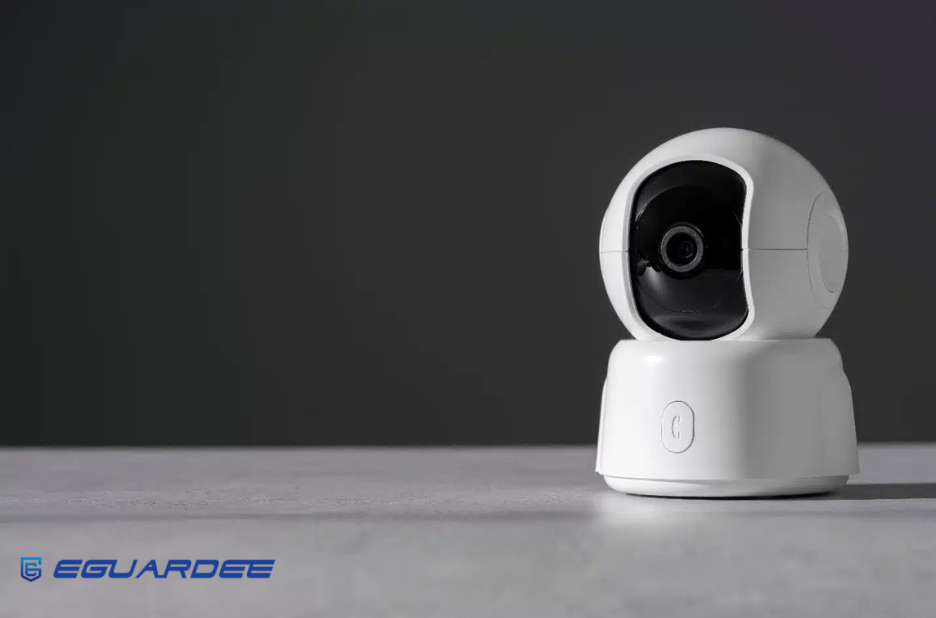
Why install home surveillance systems
Investing in home surveillance brings peace of mind by offering real time awareness and a clear record of events. When evaluating options, consider placement coverage, weather resilience, and how footage is stored. A practical approach focuses on reliable cameras that perform well under varying light, security cameras for your home while keeping setup simple for households with multiple rooms and doors. Remember that a good system should not complicate daily routines but instead support quick responses to unusual activity with clear, actionable footage that can be reviewed easily.
Choosing cameras by location and needs
Begin with a map of your property to identify vital zones such as entrances, stairs, and common living spaces. For those areas, opt for cameras with wide fields of view and motion detection tailored to reduce false alarms. If discretion is important, compact weatherproof models can blend into interiors or exteriors without drawing attention. For households with pets or high traffic, consider models with reliable low light performance and robust connectivity to avoid gaps in coverage.
Evaluating video quality and storage options
Video clarity matters when identifying details such as faces or license plates. Look for at least 1080p resolution and good night vision, plus a secure way to access recordings. Storage choices range from local microSD to cloud options, but balance cost, accessibility, and privacy. Hybrid setups that save copies locally while backing up to the cloud offer resilience against device failure and provide flexibility for playback on mobile devices or a computer.
Ensuring security and ease of use
Easy configuration and user-friendly apps can make or break ongoing use. Features such as encrypted connections, two factor authentication, and simple live view controls help protect your system from unauthorised access. Regular firmware updates and a clear privacy policy are important to maintain trust and ensure that your data remains within your control. Consider user roles so family members can access footage relevant to their responsibilities without compromising security.
Maintenance tips and practical integration
Schedule routine checks to verify housing, wiring, and mounting stability, especially after severe weather. Clean lenses to prevent smudges that blur footage, and test alerts to ensure timely notifications reach the right devices. A well milled setup integrates with other smart home gear, enabling automation routines such as turning on lights when motion is detected. Keeping a documented plan helps household members understand how and when to review footage, improving overall effectiveness.
Conclusion
In summary, selecting the right options for security cameras for your home means balancing coverage, quality, and ease of use while respecting privacy and budget. A thoughtful setup reduces blind spots and supports quick action when activity occurs. If you want a practical nudge or extra guidance as you compare models, check out practical resources and the latest user reviews. Visit Eguardee for more insights and similar tools